Notices
- 2082-05-23 - बिदा सम्बन्धी सूचना
- 2082-04-29 - भर्ना हुन आउने सूचना
- 2081-07-20 २४ महिने प्रि-डिप्लोमा इलेक्ट्रिकल इन्जिनियरिङ विषयको नतिजा सच्याइएको सम्बन्धी सूचना
- 2081-07-14 प्रि-डिप्लोमा इन इन्जिनियरिङका कार्यक्रमहरुको प्रवेश परीक्षाको नतिजा प्रकाशन सम्बन्धी सूचना
- 2081-06-14 फाराम भर्नेे म्याद थप सम्बन्धी सूचना
- 2081-06-15 रजिष्ट्रेशन फारम वापतको शुल्क बुझाउने सम्बन्धमा
- 2081-06-16 दशैं तिहार विदा सम्बन्धी सूचना
- 2081-06-09 पून:प्रवेश परीक्षाको फारम भर्ने सम्बन्धी सूचना
Exam Schedules and Results
- 2079-03-24 बिशेष मौका (आंशिक) परिक्षाको रूटिन सम्बन्धमा
- 2078-08-06 परिक्षा फारम भर्ने सूचना
- 2078-04-21 Exam Routine for Diploma in Engineering 1st Sem
- 2077-12-10 Exam Form Notice
- 2077-11-25 Exam center notice
- 2077-09-09 बिशेष आंशिक परिक्षाको परिक्षा केन्द्र सम्बन्धी सुचना
- 2076-08-23 Pre-Diploma Electrical Apprenticeship Entrance Result
- 2077-08-18 डिप्लाेमा तहकाे बिशेष माैका परिक्षा तालिका सम्बन्धी सूचना
Principal's Message
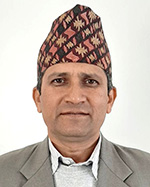
This website is designed to introduce you to Manmohan Memorial Polytechnic. We at MMP are confident that you will explore and attain your maximum potential with our inputs and assistance.
We provide considerable number of laboratory work, workshop exercises and assignments that will refine the skills of the students further to compete the labor market nationally and internationally.
MMP is a name that is surely to be established as the pioneer and center of excellence in the technical education sector of Nepal.
We offer the latest and the most relevant curriculum designed by CTEVT for MMP involving the most experienced professionals. We provide state-of-art facilities and services to our students and faculty. We the faculty are eager to enhance your practical skills and learning experience at MMP.
- Er. Sudip Adhikary
Principal
Contact Us
Manmohan Memorial Polytechnic
Budhiganga-4, Morang
Koshi Province, Nepal
Phone: +977 21 622058, +977 21 420876
Email: info@mmp.edu.np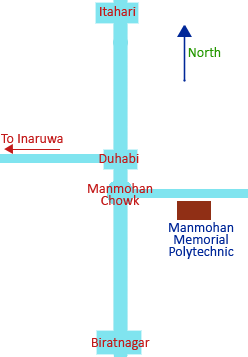
Contact Office
Manmohan Memorial Foundation
Sanepa, Latitpur- 02, Nepal
Phone: +977 1 5544669
1. Introduction:
Introduction:Information Technology (IT) is emerging field in the engineering and technology sector. Many peoplein the developed countries, developing countries and under developed countries have been givenemphasis for the broader application of Information and Communication Technology (ICT). This fieldhas been helping the world for the socio-economic development and it has been creating jobsopportunities both in public and private sectors as well as has been creating self-employmentopportunities immensely. IT jobs are the top most earning job on global market and knowledge baseindustries are the new destination of economic growth.This curriculum is designed with the purpose of producing middle level technical workforce equippedwith knowledge and skills related to the areas of IT so as to meet the demand of such workforce in thecountry to contribute in the national streamline of poverty reduction of our country Nepal. This skillsand knowledge included in this curriculum will be successful to deliver the individual needs and theneeds in the field of IT.
2. Curriculum title:Diploma in Information Technology (DIT)
3. Objectives:This curriculum has the following objectives:·
- To produce middle level competent technical workforce/human resources that could provide services to the public and private organizations in the field of IT.
- To prepare such technicians who are able to work in public and private organizations ingeneral communication, banking and business sectors in particular.
- To prepare such technical workforce who will demonstrate positive attitude and respectfor the profession and socio-cultural values.
- To help in meeting the demand of such technical workforce required for the public andprivate organizations of Nepal.
- To reduce the dependence on employing such technicians from foreign countries.· To create self-employment opportunities immensely.
4. Program description:This course is based on the job required to perform by the information related technician at differentrelated industries and organizations in Nepal. Therefore, this curriculum is designed to provideknowledge and skills focusing on Information Technology related to the occupation. The Diploma inInformation Technology program extends over three years. Each year is divided into two semesters.There are six semesters in total within the period of three years. The first year course focuses onfoundational subjects; the second year course focuses on basic disciplinary subjects of Information Technology. Similarly, the third year comprises of the disciplinary subjects including electives.Moreover, the third year focuses on the application of learned skills and knowledge as the minor andmajor projects.The foundation subjects like Physics, Chemistry, and Mathematics are included and which areapplicable in the field of Information Technology. It also includes language subjects like Nepali andEnglish applicable for the communication in the same area. The disciplinary subjects are offered inthis program in all semesters. It makes provision of major and minor projects as well as electivesubjects in the specific areas of IT. In short, this curriculum will guide its implementers to producecompetent and highly employable middle level technical workforce in the field of informationtechnology.The contents of individual subjects prescribed in the curriculum are incorporated in the light of "mustto know and must to do" principle of knowledge and skills for this level.
5. Duration:The total duration of this program is three years. Each year consists of two semesters of six months.Moreover, one semester consists of 19.5 academic weeks including the evaluation period. Actualteaching learning hours will be not less than 15 weeks in each semester. There is a provision of backpaper; however, students must pass all the subjects of all six semesters within six years from the dateof enrolment.
6. Group size:The group size is maximum 48 (Forty eight) students in a batch.
7. Entry criteria:· SLC or equivalent with English, Science and Mathematics or related TSLC or as per CTEVTrules· Should pass entrance examination as administered by CTEVT8. Medium of instruction:The medium of instruction is in English and/or Nepali.9. Pattern of attendance:Minimum 90% of attendance in each subject is required to appear in the respective final examination.
Curriculum Structure


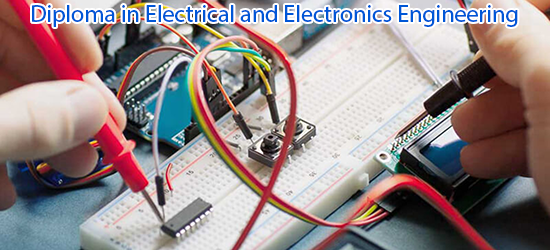
The program aims to produce middle level technical personnel with sound academic knowledge equipped with perfect technical skills that can be faced in real life situation.
Program Objectives
This curriculum has following objectives to:
1. Produce middle level competent technical human resources fused with Electrical and Electronics engineering skills.
2. Prepare such electrical and electronic technicians who are able to work in the national and international manufacturing industries.
3. Prepare such electrical and electronic workforce who will demonstrate positive attitude and respect for the profession and socio-cultural values.
4. Reduce the dependence on foreign technicians.
5. Create self employment opportunities.
Entry Criteria
SLC Pass or SEE with minimum C grade in Compulsory Mathematics & Science and D+ in English.
TSLC in Electrical or Electronics Engineering with minimum 67%.
Should pass entrance examination as administered by CTEVT.
Duration
The total duration of this curricular program is three academic years. The program is based on semester system. Moreover, one semester consists up to 15 weeks and one academic week consists up to 40 hours excluding evaluation period.
Pattern of Attendance
Minimum of 90% attendance in each subject is required to appear in the respective final examination.
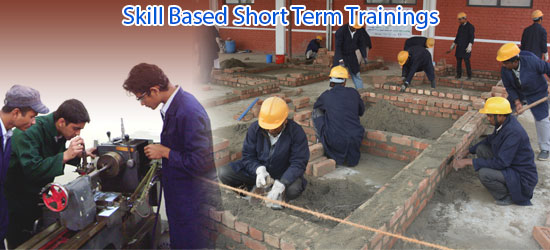
Tailor made short courses will be offered as per the request of the employers. The duration of below mentioned certificate courses, tailors made courses and market oriented short term courses will be specified after ascertaining the skills requirements of the employing agencies. To maintain uniformity as well to Education and Vocational Training (TEVT) system, most of the training programs will be followed by the standardization tests and certificates will be awarded as per National Qualification Framework in accordance to the regulations of skill Testing Board.
Certificate Level Programs:
- Electrician
- Plumber
- Automobile Mechanic
- Filter including Boiler Operator
- Machine Operator
- Electronic Mechanic
- Refrigerator and Air - Conditioning Mechanic
- Carpenter
- Welder cum fabricator
- Mechanical filter (Industrial)
- Hospital equipment maintenance
- Computer Operator

Introduction:
Architecture Engineering is one of the prominent and popular disciplines within engineering. Many people in the developed countries, developing countries and under developed countries have given emphasis for the broader application of Architecture Engineering. This field has been helping the world for the all-round physical infrastructure development and it has been creating wage and self employment opportunities both in public and private sectors. This curriculum is designed with the purpose of producing middle level technical workforce equipped with knowledge and skills related to the field of Architecture Engineering so as to meet the demand of such workforce in the country to contribute in the national economic development of Nepal. The knowledge and skills incorporated in this curriculum will be helpful to deliver the individual needs as well national needs in the field of Architecture Engineering.
Programme objectives:
This curriculum has following objectives to:
1. Prepare technicians who are capable of undertaking works in architecture engineering field as architecture engineering technicians under rural and urban development planning, design and development of building construction and other civil infrastructures development related departments and sectors;
2. Produce middle level competent technical workforce/human resources that could provide supervisory works of architecture engineering;
3. Prepare technical workforce who will demonstrate positive attitude and respect for the profession and socio-cultural values;
4. Help in meeting the demand of required architecture engineering technicians for the public and private infrastructure design and development of Nepal; and
5. Create self employment opportunities.
Programme description:
This course is based on the job required to perform by the Junior Architect/Draftsperson (Diploma engineers) at different levels of public and private sectors physical infrastructures development related architecture engineering works in Nepal. Therefore, this curriculum is designed to provide knowledge and skills focusing on architecture Engineering related to the occupation. There are six semesters in total within the period of three years. The first year courses are offered focusing on foundational and core subjects of engineering; the second year courses are focused on basic disciplinary subjects of architecture Engineering. Similarly, the third year whole courses comprise of the disciplinary subjects related to building design, construction and working drawings. Moreover, the third year insists on the application of learned skills and knowledge through the Quantity surveying, specification and project work. The foundational subjects like Physics, Chemistry, and Mathematics are offered in diffusion model of curricular programme are applicable in the field of architecture Engineering. It also includes language subjects like Nepali and English applicable for the communication in the same area. The disciplinary subjects of architecture Engineering are offered in this programme are included in all semesters. The curriculum structure and the subject wise content that reflect the details of this curriculum. In brief, this curriculum will guide to its implementers to produce competent and highly employable middle level technical workforces in the field of architecture engineering.
The contents of individual subjects prescribed in the curriculum are incorporated in the light of "must know and must do" principle of knowledge and skills for this level.
Entry Criteria
SLC Pass or SEE with minimum C grade in Compulsory Mathematics & Science and D+ in English.
TSLC in Electrical or Electronics Engineering with minimum 67%.
Should pass entrance examination as administered by CTEVT.
Duration:
The total duration of this curricular program is three years. Each year consists of two semesters of six months each. Moreover, one semester consist of 19.5 academic weeks including evaluation period. Actual teaching learning hours will be not less than 15 weeks in each semester.
Pattern of attendance:
Minimum of 90% attendance in each subject is required to appear in the respective final examination.
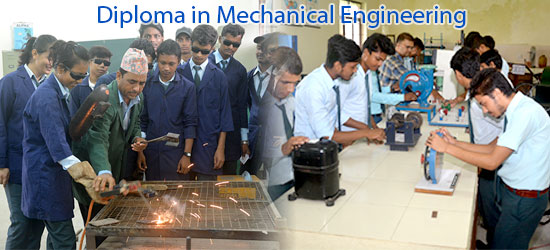
This curriculum is of three years duration with six semesters based on the semester system. It is designed to produce middle level competent technical workforce equipped with knowledge and skills related to the specialization areas of Product Design, Maintenance Engineering, Power Generation Engineering and Industrial Engineering under mechanical engineering so as to meet the demand of such workforce in the country and to contribute in the national streamline of poverty reduction of this country of Nepal.
Objectives:
This curriculum has following objectives:
1 To produce middle level competent technical workforce/human resource (Technical and Supervisory staffs) in Mechanical Engineering with specialization in the following areas;
· Product Design
· Maintenance Engineering
· Power Generation Engineering
· Industrial Engineering
2. To prepare such technicians who are able to work in the local industrial settings of the country.
3. To prepare such technical workforce who will demonstrate positive attitude and respect for the profession and socio-cultural values.
4. To help meet the demand of such technical workforce for the industries of Nepal.
5. To reduce the dependence on employing such technicians from foreign countries.
Duration:
The total duration of this curricular program is three years. Each year consists of two semesters of six months each.
Target group:
Individuals who have passed SLC or equivalent with English, Science, and Mathematics or related Technical SLC (TSLC)
Entry criteria:
· SLC or equivalent with English, Science, and Mathematics or related Technical SLC (TSLC)
· Should pass entrance examination.
· Candidate should be physically fit for the program.
· Individuals of lower economic status preferred.
Selection:
Applicants fulfilling the entry criteria will be selected for admission on the basis of merit.
Medium of instruction:
The medium of instruction will be in English and/or Nepali.
Pattern of attendance:
Minimum of 90% attendance in each subject is required to appear in the respective final examination